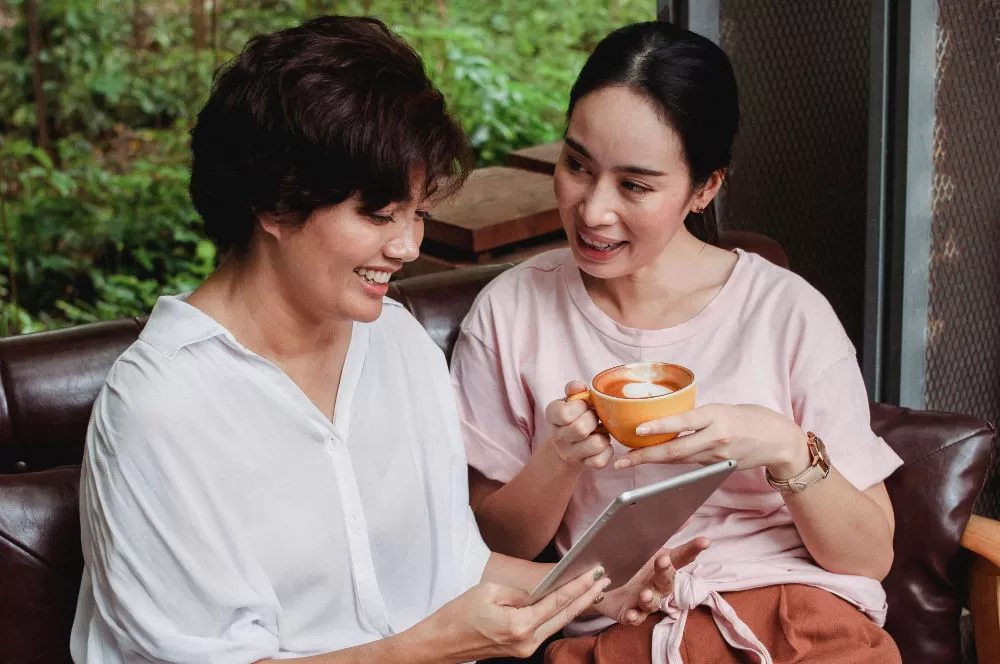
Coffee culture in the Philippines was not built by a menu board or a barista. It was built in kitchens, on benches outside the sari-sari store and on farms that have grown coffee since the eighteenth century. Start with the beans and the people who grow them, and the rest of the culture makes sense.
A household tradition first
Kapeng barako is usually the first coffee a Filipino meets, poured by a relative rather than bought. It is Liberica, grown mostly in Batangas and Cavite: large, uneven beans roasted dark, ground coarse and boiled in a pot, often sweetened with muscovado. The taste is strong and particular. It was never trying to please everyone. It belongs to a province and a way of starting the day, and it still does.
Barako is one of four coffees the Philippines grows. Robusta covers the most ground, most of it in Mindanao. Arabica grows in the highlands, in Benguet and Sagada in the Cordillera and on the slopes of Mt. Apo in Davao. Excelsa, now classed by botanists as a form of Liberica but still grown, sold and brewed as its own coffee, turns up in Batangas and Cavite. Few countries grow all four. This one has for generations, long before any of it was called specialty. For how it began, in Lipa in the 1740s, see the history of Philippine coffee.
Kapihan
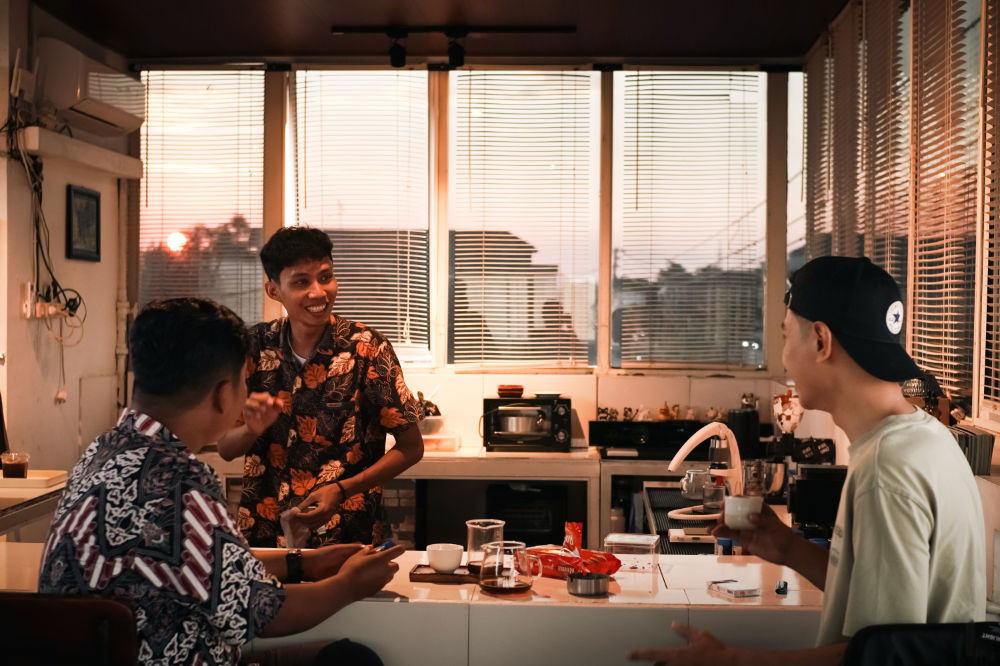
Kapihan is the word for what happens around the cup rather than in it: an invitation to sit, talk and stay a while. It might be two neighbours on a bench outside the sari-sari store, or a room of journalists at a press forum that borrows the same name. Coffee is offered to a guest before they have properly sat down. It comes with pandesal at merienda. At a lamay, the wake held at home, it is what keeps family and neighbours awake through the night.
In each case the coffee is the reason to sit down, not the point of it. Specialty coffee talks a great deal about what is in the cup: origin, process, water temperature. Kapihan is a reminder that in the Philippines, coffee has always been just as much about who you are sitting with.
The new coffee rooms
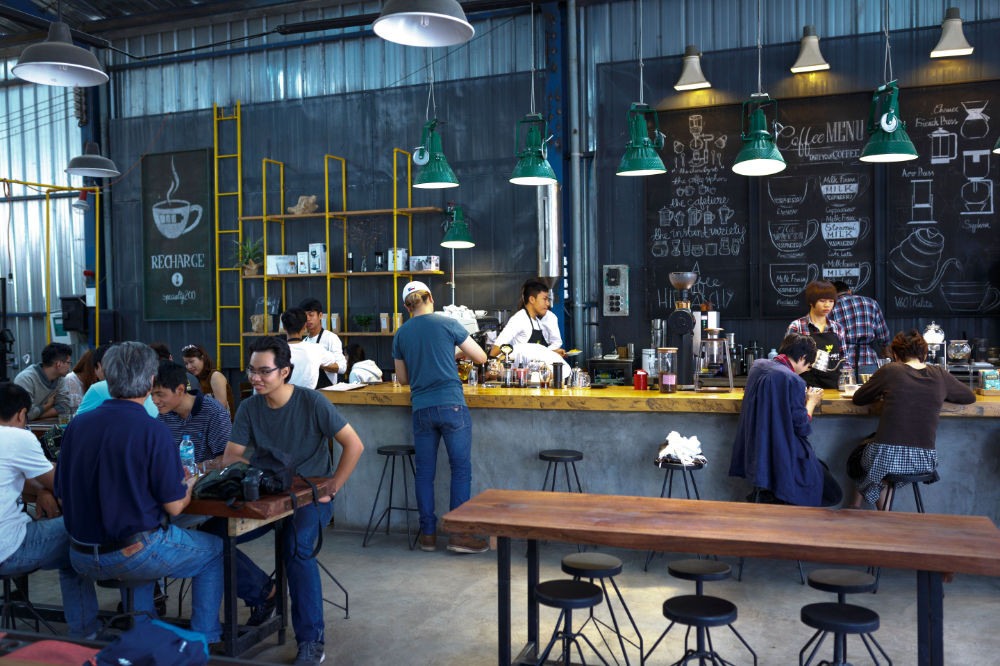
Over the past fifteen years or so, specialty cafés and roasters have opened across Metro Manila, Cebu, Davao and Baguio. They sit closer to kapihan than they might admit: rooms built for staying, not only for buying. What has changed is what is in the cup, and where it came from.
For a long time, much of the specialty coffee poured in those rooms was imported. Increasingly it is not. Arabica from the Cordillera and Mt. Apo is roasted to show where it grew, washed or natural depending on the farm. Robusta and Liberica are being picked ripe and processed with the same care, and named the same way. Growers enter their lots in national cup competitions and are scored by the same standards used everywhere else.
Where it goes next
The Philippines still drinks far more coffee than it grows, and much of what it grows is sold by weight rather than by name. That is what we want to change. A coffee named for its farm can be priced for its quality, and a fair price is what gives the next generation a reason to keep farming.
We would like people to know the barangay their coffee came from as readily as they know barako comes from Batangas. And we would like the kapihan to stay what it has always been, a reason to sit down together, with a cup that is worthy of the company.
We are one small part of that. We name every farm we buy from, so you can judge the coffee for yourself. Apo Sandawa, grown by JL Dela Cerna at 1,650 metres in Bansalan, Davao del Sur, is a good place to start.