A few trees in the backyard
Lourdes Aligo started planting coffee in her family's backyard. Planting was one of her hobbies, and everyone in the household loved coffee. There were only a few trees at first, and the coffee they gave was for the family.
It soon found another use. When a neighbour or a relative held a burial, Lourdes brought coffee from her trees as her help to the family in mourning.
Coffee, she found, was not hard to grow compared with rice. She went to the Department of Agriculture for seedlings, and they gave her some, though only a few. She bought the rest herself, at ₱5 a seedling.
Her trees are not the only ones on the mountain.
Ambasing
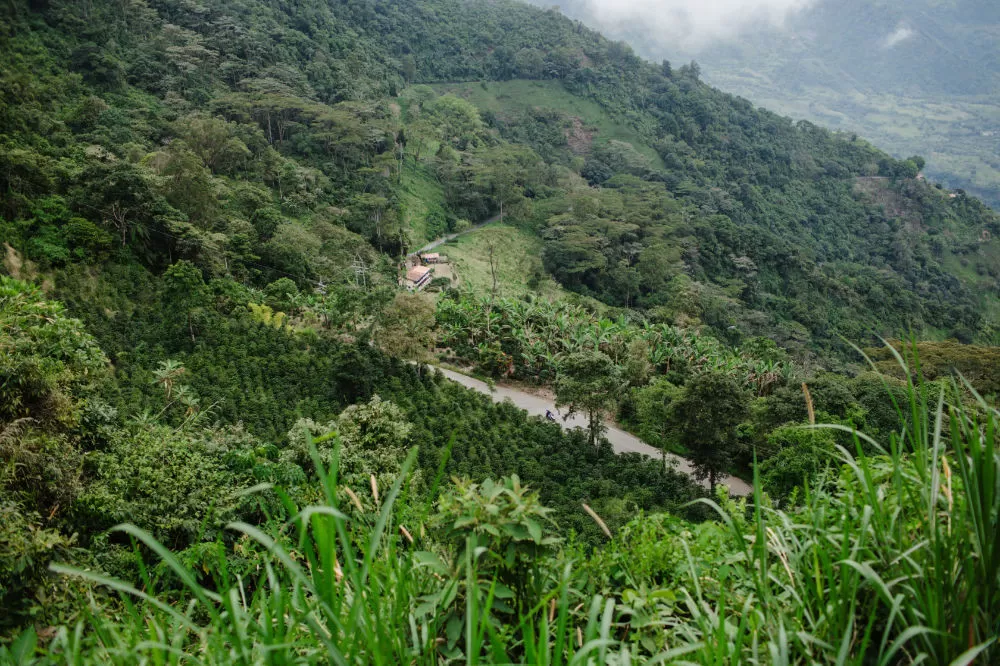
Ambasing is a barangay on a mountainside in Sagada, Mountain Province, at around 1,500 masl. The people here plant their own coffee, as Lourdes does, and grow it under alder trees, which shade the coffee and fix nitrogen in the soil the two share.
At the foot of the mountain lie the rice fields and vegetable gardens of Ambasing. The coffee grows on the slopes above them, and what happens to it after the harvest is where the family puts in the most care.
When someone brews our coffee, I hope they can recognise the hard work we put into processing it, and appreciate every taste of it.
From cherry to drying
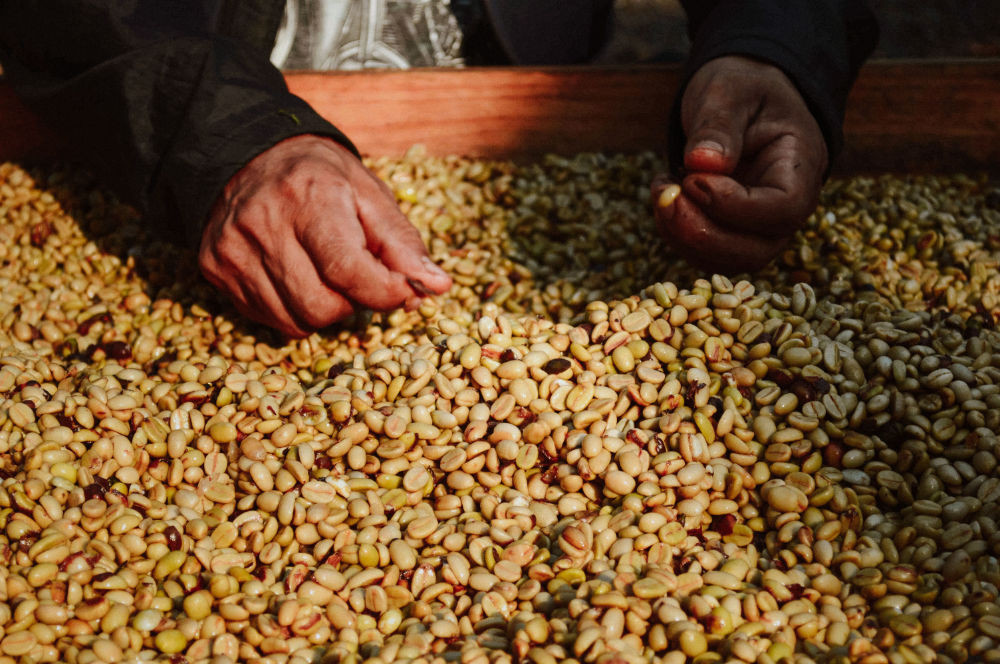
That work begins at the harvest. Only ripe cherries are picked. Lourdes and her family wash them by hand straight after picking, removing the floaters and any foreign matter. The cherries are then left to ferment.
Once fermentation is done, they go out to dry. The family checks them from time to time so the drying stays even.
Drying is not the last time moisture matters.
Kept in parchment until it is ordered
Lourdes stores her coffee in parchment. She does not keep a stock of green beans.
When a customer buys, she checks the moisture first. Then she waits for sunlight and air dries the coffee for days before processing it, because moisture left in the coffee affects both its weight and how it roasts.
Only then is the parchment pounded off, by hand. The green coffee is sorted with care. It is a long process, and she keeps to it so that what she delivers is quality coffee.