
Every bag we sell carries a number in metres. It is one of the more useful things printed on a coffee bag and one of the more misread, because it is usually taken as a rating rather than a description.
Altitude does not make coffee good. It changes how the fruit ripens, and everything else follows from that.
Cooler air, slower fruit
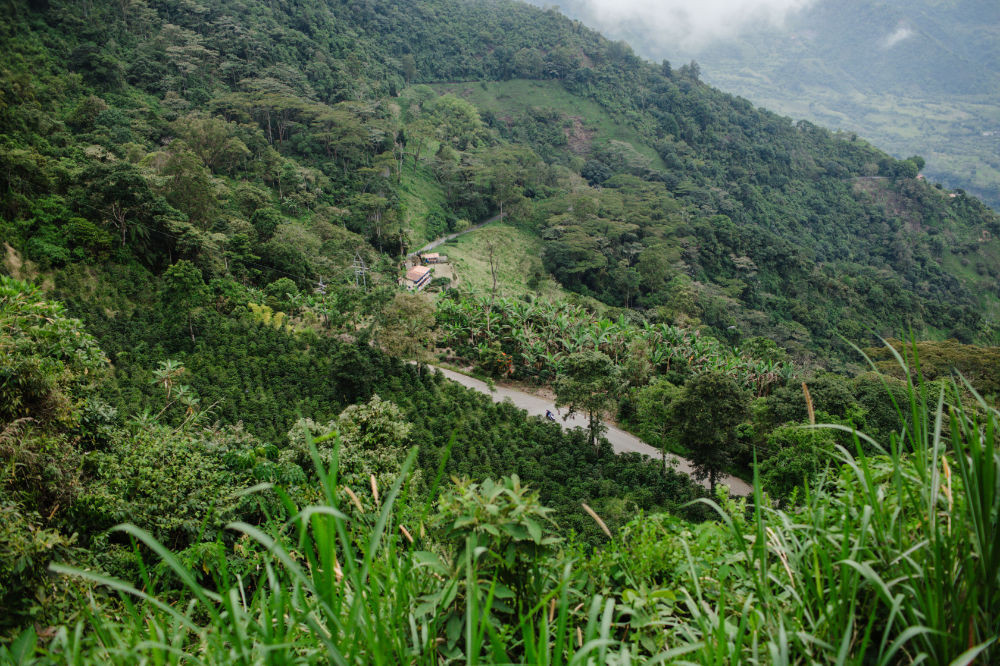
Temperature falls roughly six degrees for every thousand metres of height. A coffee tree at 1,650 metres on Mount Apo is working in cooler air than one at 500 metres in the lowlands, and it ripens its cherries more slowly — weeks longer on the branch, sometimes months across a season.
A slow ripening is a long one. The tree keeps feeding sugars and acids into a seed that is not yet ready to be finished, and the seed ends up denser and more concentrated than a fast-grown one. That is the whole mechanism. Everything people attribute to altitude comes out of the extra time.
What it does in the cup
- More acidity, and more structured acidity — the malic and citric character that reads as brightness rather than sourness
- More sugar, so more sweetness and a longer finish
- Denser beans, which take a darker roast without going flat and hold their shape through a long extraction
- More aromatic complexity, particularly the floral and stone-fruit notes that need a slow ripening to develop at all
The numbers on our bags
Three of ours, at three heights:
- Apo Sandawa — Bansalan, Davao del Sur, 1,650 metres, on Mount Apo's shoulder. Deep and fruit-forward: orange, cherry, chocolate.
- Lourdes — Sagada, Mountain Province, 1,500 metres. Bright rather than heavy: citrus, dark chocolate, a soft floral lift.
- Adarna — Candelaria, Quezon, 500 metres. The lowest-grown coffee we carry, and a different species entirely: chocolate, nuts, caramel and ripe jackfruit.
Why the lowest one is not the least
Adarna is not an outlier because of where it sits on the mountain — it is not really on the same ladder at all. It is excelsa, a different species from the arabica in the rest of our lineup, grown on tall, spreading trees rather than the tidy rows arabica prefers. Excelsa is heat-tolerant by nature, so a farm at 500 metres asks nothing unusual of it: the tree crops heavy and the cherry ripens quickly, and none of that counts against the coffee.
Shade does real work too, and so does the direction a slope faces and how cold the nights get. Altitude is shorthand for a growing environment, not a measurement of one, and it only compares two lots honestly when they are the same species to begin with.
Where it stops mattering
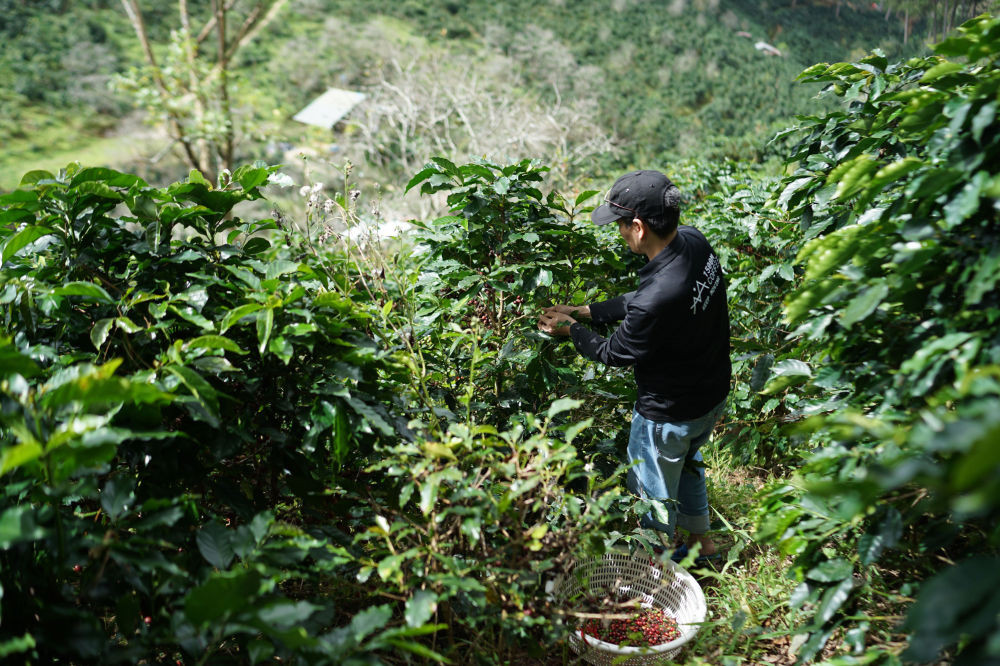
A high-grown coffee picked unripe, fermented carelessly or dried in a rush is a poor coffee with a good number on the bag. Height sets the ceiling. Picking, processing and drying decide how close a lot gets to it, and most of the difference between two coffees at the same altitude is made by people rather than by the mountain.
Brewing a dense bean
Hard, high-grown beans give up their solubles more reluctantly. If a light-roasted high-grown coffee tastes thin or sharp, it is usually under-extracted rather than sour: grind finer, keep the water close to 94°C, and give it the full time. Our pour over guide covers the adjustment, and the same reasoning applies at the espresso machine — a denser bean generally wants a finer grind than the last one did.